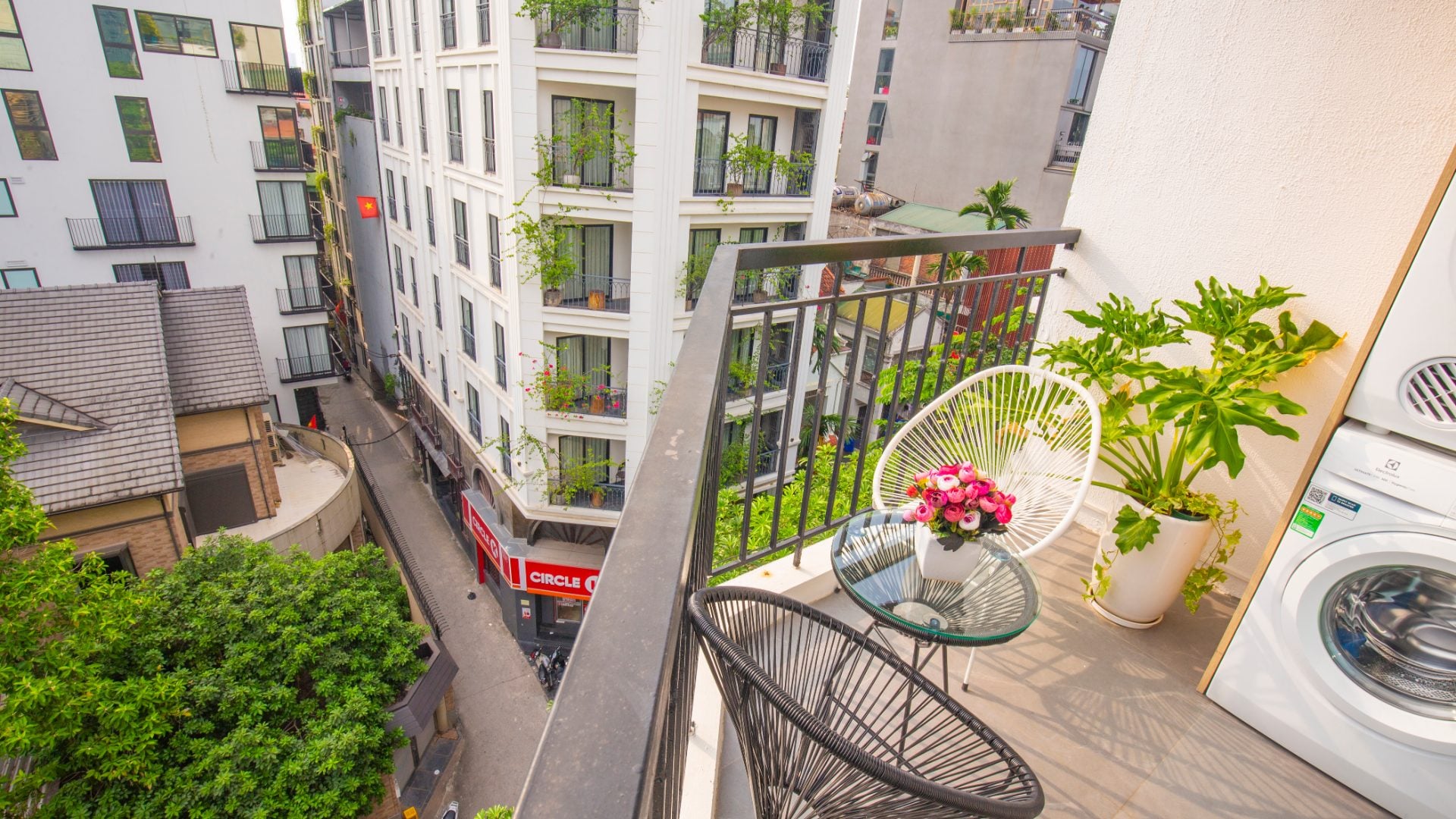
Where to find apartments in Hanoi is the first question most people moving here ask, and most of the answers come from somebody with a home to let. This guide sets out where homes are actually listed, how to tell a real listing from bait, and what to check before any money changes hands.
Decide three things before you look
A search with no limits turns into weeks of viewings. Settle these first and every place you look gets faster.
- The area. Where you live shapes daily life more than the apartment does, and most expats choose between Tây Hồ, Ba Đình and the Old Quarter.
- The all-in monthly cost, not the rent. Management fees, electricity, water, internet and parking come on top of the rent.
- How long you are staying. For a few months, a serviced apartment is usually simpler than a lease. For a year or more, a lease is usually cheaper.
Our guide to Tây Hồ, Ba Đình and the Old Quarter sets out the trade-offs between areas, and the Neighbourhoods page compares the homes available in each district today. Our guide to the full monthly cost of a rental itemises each bill, and serviced apartment or lease shows when each one wins.
Where apartments in Hanoi are listed
Homes reach renters in four ways, and most people use more than one.
- Facebook groups. Busy, free, and where many landlords and agents post first. They are also where most fake and recycled listings turn up, because anyone can post and nobody checks.
- Local agents. An agent who knows a district can show you several homes in a morning. Ask before the first viewing who pays the agent, and get the answer in writing.
- Listing websites. Easier to filter than a group, but a listing can stay up long after the home has let, so a good photo is no proof the home is free.
- Walking the street. “Cho thuê” signs, meaning “for rent”, on buildings in the area you want still turn up homes that are never posted online. Take a translation app, or someone who speaks Vietnamese.
Nest is a letting agency, and one place among these. Every Nest home is inspected in person and the owner is verified, the landlord pays our commission, and you never pay a tenant agency fee.
How to tell a real listing from bait
Most bad experiences start with a listing that was never really available. These are the signs.
- The rent is well below similar homes in the same district
- You are asked for a deposit to hold the home before you have seen it
- The home is “just rented” when you ask, and a dearer one is offered instead
- The same photos appear under different names, prices or districts
- Nobody can tell you when the home was last checked
Our guide to apartment scams in Hanoi covers each of these, and what to do instead.
View it properly
Photos hide noise, smell, light and the state of the building. View in person, or on a live video call if you are not here yet, and look past the furniture.
- Visit at the time of day you will be home, to hear the street and the neighbours
- Run the taps and the shower, and turn on every air conditioner
- Check for damp in corners, behind wardrobes and under sinks
- Ask what the management fee covers, and how electricity is billed
- Ask whether the landlord will register your residence with the police
Still overseas? Our guide to booking from abroad explains why a short stay first usually beats signing unseen.
Before you pay anything
Money is where a search goes wrong for good, so do these in order.
- See the ownership document, the pink book, or a written authorisation from the owner
- Read the lease in a language you understand: the deposit, the notice period, repairs, the electricity rate and rent rises
- Agree in writing what the deposit covers and when it comes back
- Pay by bank transfer to the person or company named on the lease, never in cash to a go-between, and keep the receipt
- Photograph the apartment on move-in day, with the landlord there
Our guides to a lease written in Vietnamese, getting your deposit back and tạm trú, the address registration that follows the move, go further.
Where to start
Start with the area, then search Hanoi homes on Nest or open a district: Tây Hồ, Ba Đình, Hoàn Kiếm or Long Biên. Every listing shows a True Monthly Cost breakdown, the rent plus estimated bills and fees, so you compare all-in figures rather than headline rent.
Find your apartment the safe way
Verified listings, transparent all-in pricing, contracts in your language, and no tenant agency fees. Browse homes or talk to a Nest advisor.