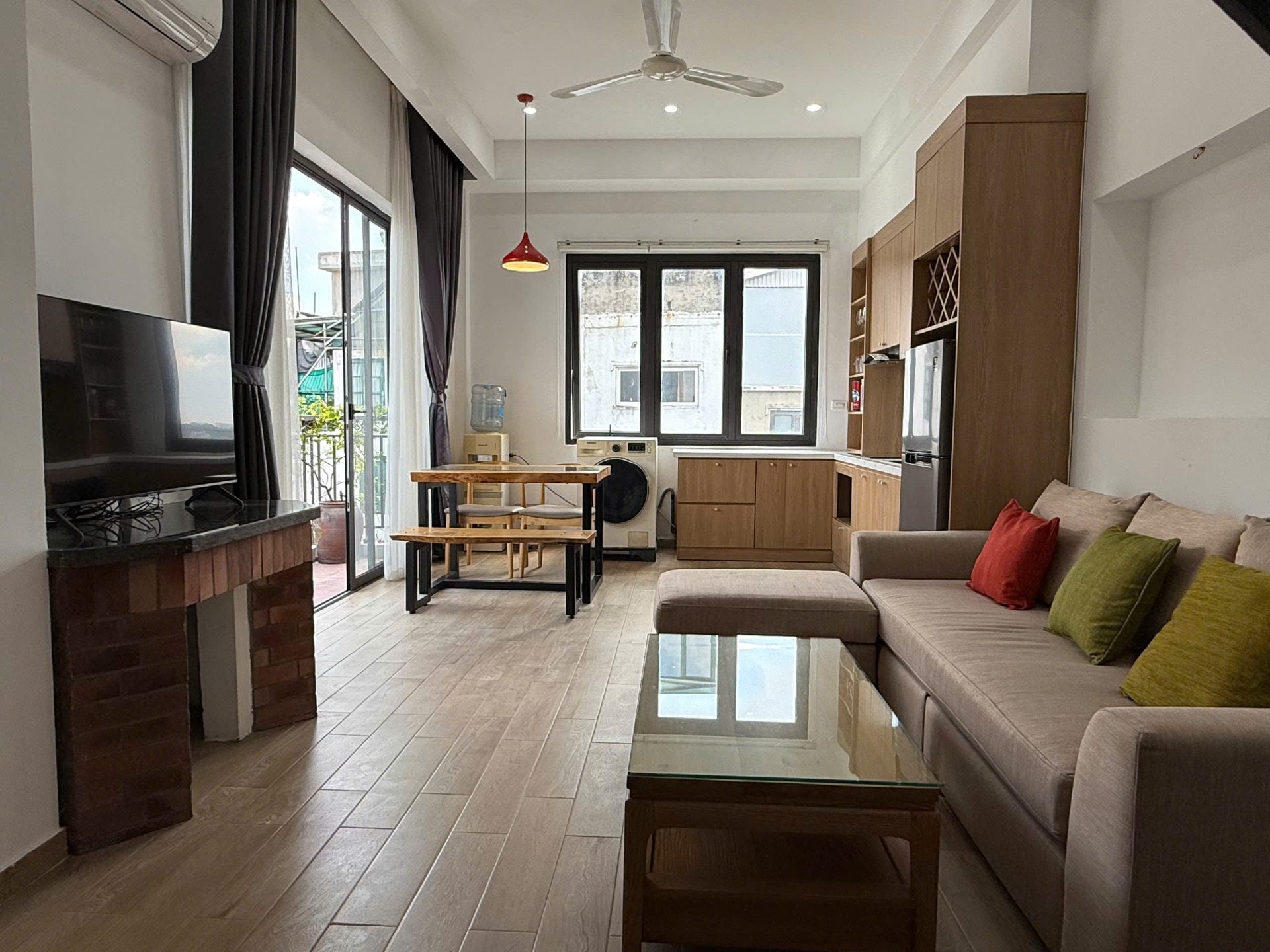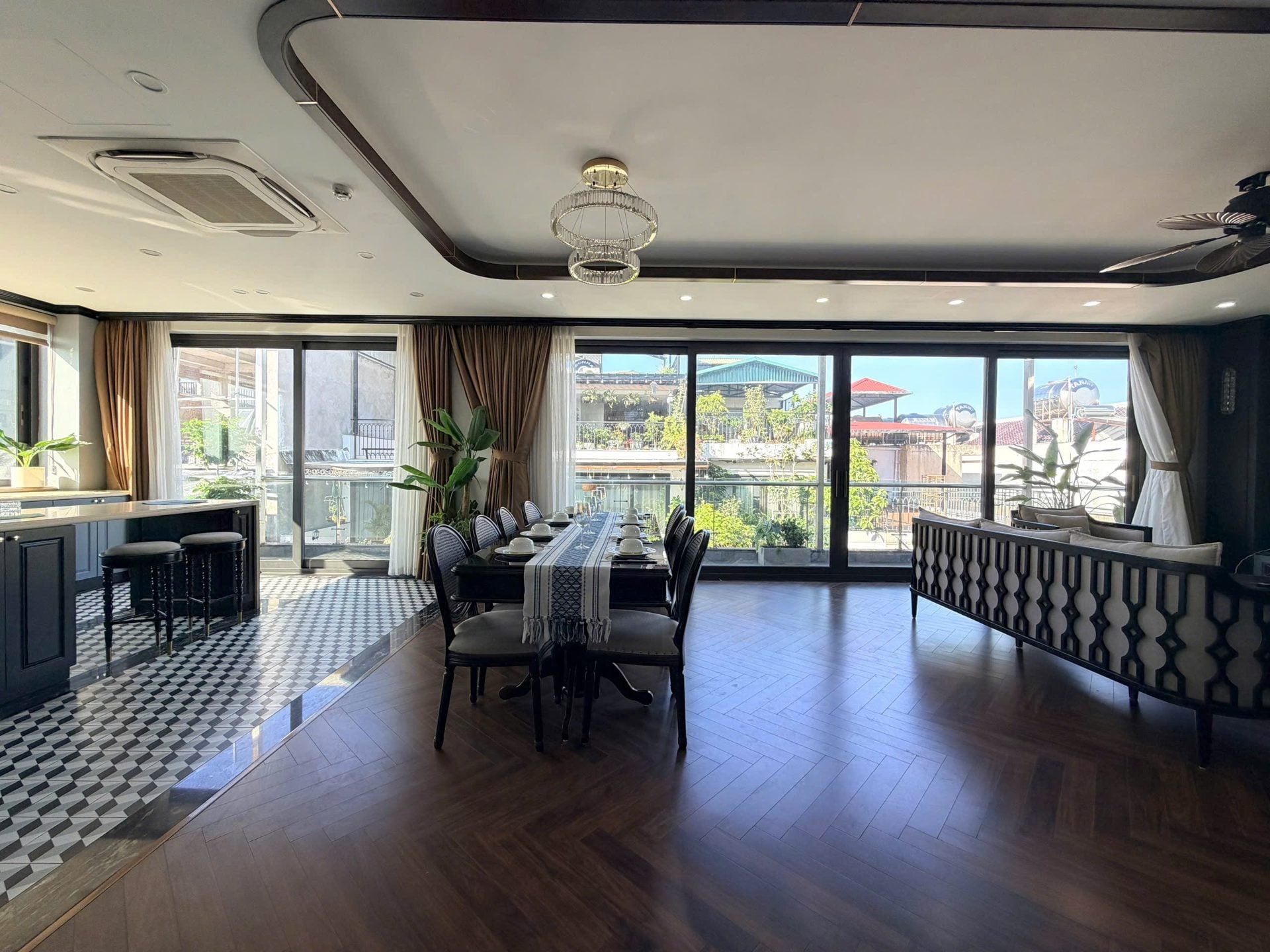
Deposit disputes are the most common sour ending to a Hanoi tenancy. Almost all of them are won or lost on day one, not at checkout.

Before you sign
The lease decides most deposit arguments before they start. Make sure it says, in writing and in a language you can read:
- How much the deposit is, and in which currency
- What the landlord may take it for, and what they may not
- When it comes back after you leave, as a date or a number of days
- Whether it can count towards your last month’s rent, or must be returned separately
- Who pays for repairs while you live there
Our guide to checking a lease written in Vietnamese covers the other clauses worth reading before you sign.
Do this on move-in day
- Walk the apartment with the landlord and a written checklist
- Photograph every existing scratch, stain and fault, timestamped
- Test every appliance, tap and AC unit and note anything broken
- Both parties sign and keep a copy of the condition report
While you live there
A tenancy leaves a paper trail, and the one you keep is the one that helps you at the end.
- Report every fault in writing, by message or email, when it happens, and keep the reply
- Keep the receipt for any repair you pay for, and the landlord’s agreement to it
- Ask in writing before you paint, drill or change anything, and keep the answer
- Photograph any damage you cause and tell the landlord early, rather than at checkout
What counts as wear and tear
Normal wear and tear is what any home shows after people have lived in it with ordinary care, and it is not yours to pay for. Damage is.
- Usually wear and tear: paint that has faded or scuffed, carpet and floors worn where people walk, small marks from hanging pictures where it was agreed, fittings loosened by ordinary use
- Usually damage: holes, burns and deep stains, broken furniture or appliances, marks left by a pet, anything changed without permission
Do this at checkout
Give proper notice in writing, clean the apartment, and do the inspection together with your day-one photos on hand. When you can show the exact state you moved into, "normal wear and tear" arguments collapse.
If the landlord still says no
Ask for the deductions in writing, item by item, with a photograph and a repair quote or receipt for each. Then answer each item, also in writing, with your move-in photographs and the condition report beside it. Offer to pay a fair price for anything that really is damage; it often settles the rest.
Keep the conversation calm and on paper, and bring someone who speaks Vietnamese to any meeting. If the person you are dealing with is not the owner, our guide to apartment scams explains why that matters and what to ask for.
Where Nest helps
Your advisor prepares the condition report, holds a copy, and is in the room (or on the call) at checkout to keep the conversation fair. The deposit terms are written into your contract, in your language, from the start.
Find your apartment the safe way
Verified listings, transparent all-in pricing, contracts in your language, and no tenant agency fees. Browse homes or talk to a Nest advisor.