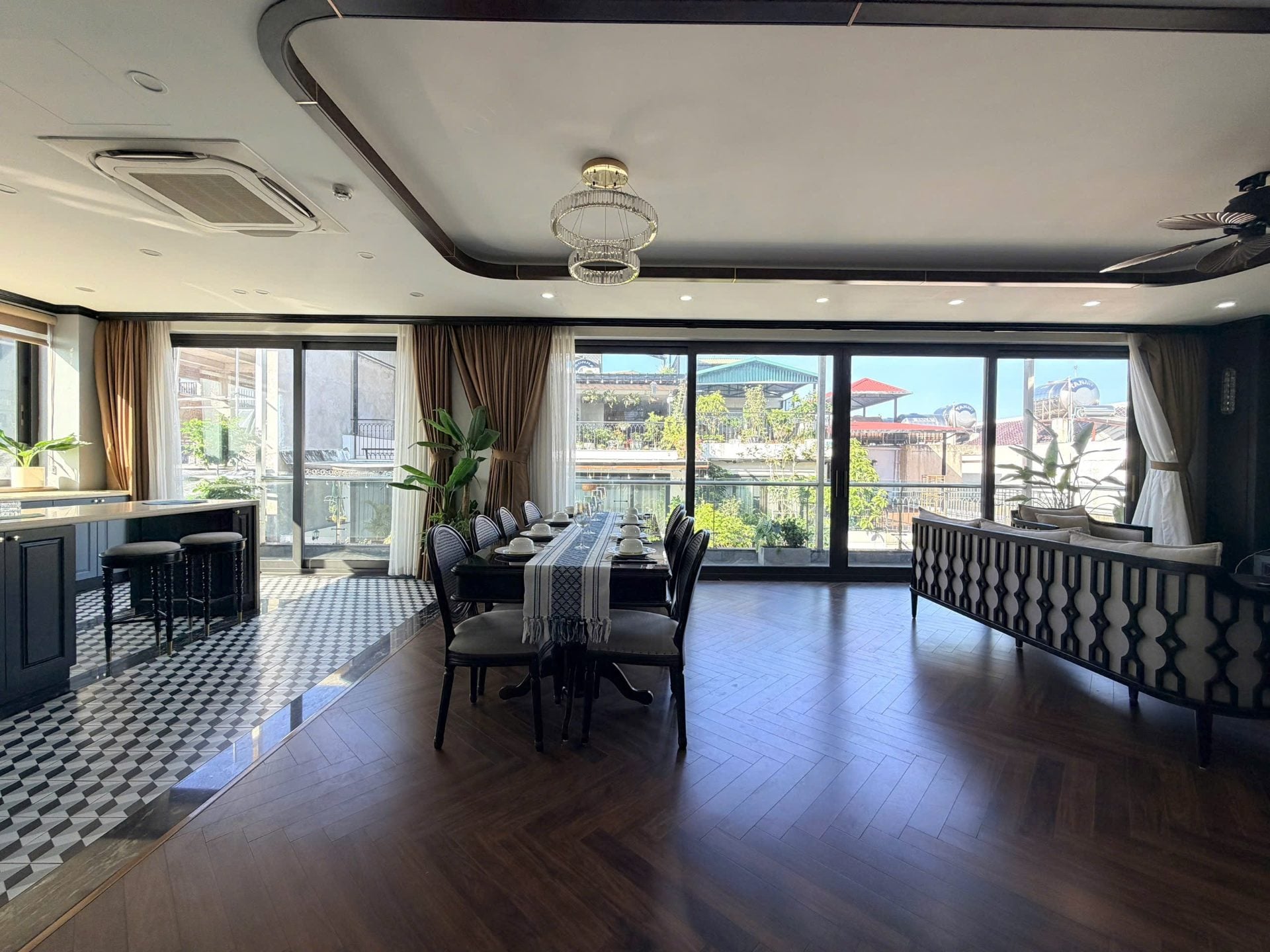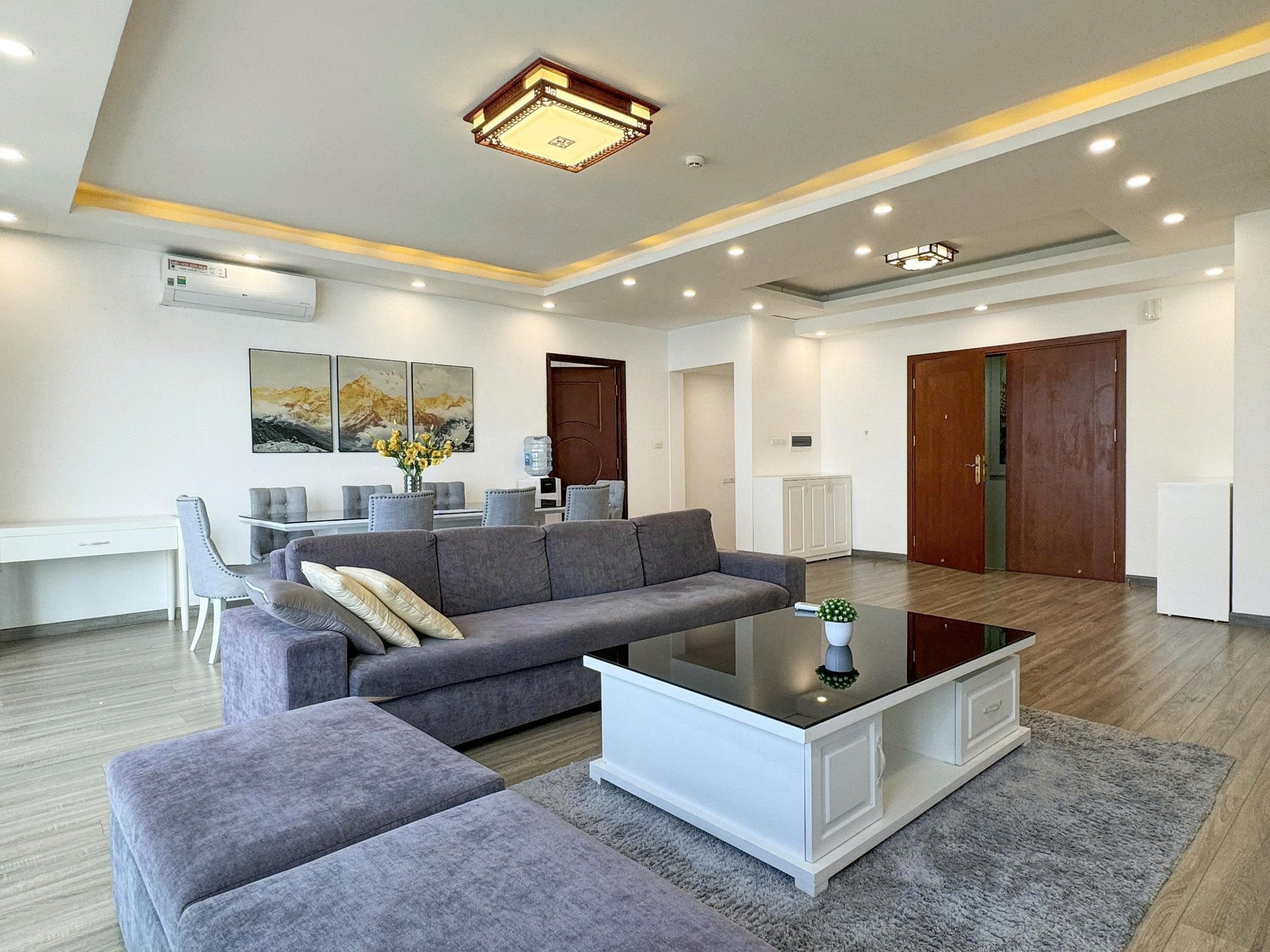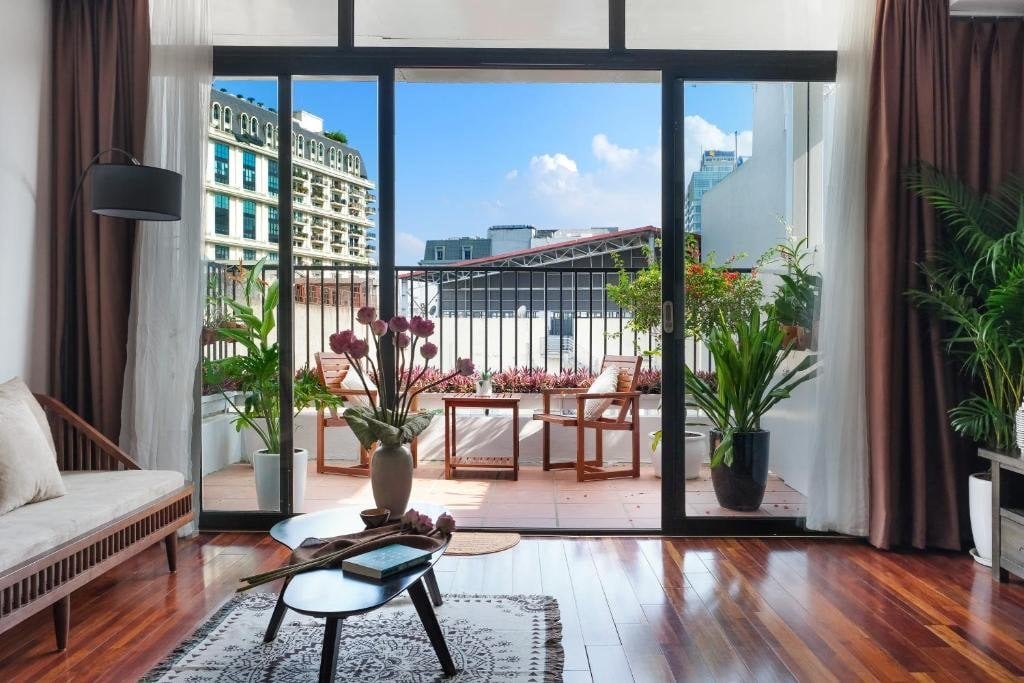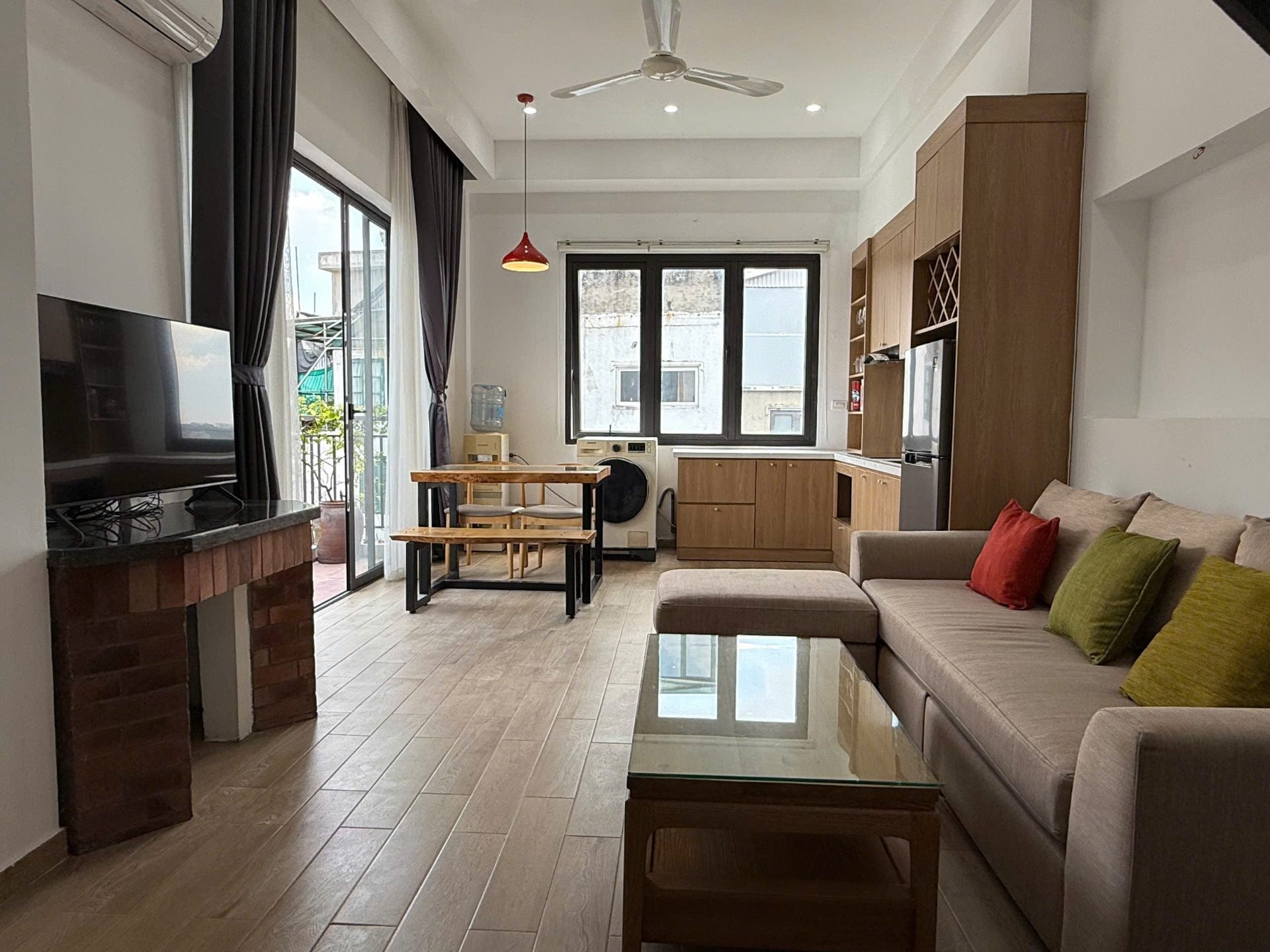
The rent figure on a listing is almost never what leaves your account each month. In Hanoi, the total can sit well above the advertised rent once the bills land. Knowing the difference before you sign is the single biggest thing that separates a calm move from a stressful one.

What sits on top of rent
Most unfurnished and semi-furnished apartments add the same handful of line items every month:
- Management / service fee for the building (lifts, security, common areas)
- Electricity, billed by usage and the biggest summer variable
- Tap water, plus bottled drinking water delivery
- Internet and wifi
- Parking for a car and/or motorbike
- Optional weekly cleaning, often bundled in serviced buildings
How each bill is charged
Each of these is worked out in its own way, and that is where the surprises come from.
- The management fee is set by the building, usually by the floor area of the apartment, and pays for lifts, security, the lobby and cleaning of shared areas. Ask whether you or the landlord pays it.
- Electricity is read from the meter and billed by the kilowatt-hour. The state price rises in steps as you use more, so a hot month costs more for every extra unit as well as for the units themselves.
- Water is read from a meter too, by the cubic metre. Most people drink bottled water, delivered to the door.
- Internet is a monthly fibre plan. Some landlords include it; others leave it for you to set up in your own name.
- Parking is a monthly card for each motorbike or car, sold by the building.
- Cleaning is a choice in most apartments, and part of the price in most serviced ones.
What bills cost on top of the rent shows the fixed bills and the electricity price written down on the homes Nest lists today, by home size and district, with how many homes each figure rests on.
Electricity is the one that surprises people
Air-conditioning runs most of the year, and bills climb fast from May to September. A two-bedroom with the AC on daily costs noticeably more in peak heat. Always ask whether you are billed at the state rate or a landlord-set rate (more on that in our electricity guide).
Before you sign, ask whose name the meter is in, what you will pay for each unit, and whether you can see a recent bill for the home. A landlord who bills at the state rate can usually show you one.
What you pay before you move in
Some costs come once, at the start, and they are easy to forget when you are comparing monthly figures.
- The deposit and the first rent payment, both usually due when you sign. The lease says how much of each, and the deposit terms say when it comes back.
- Furniture and household basics, if the home is unfurnished or only partly furnished.
- A short stay somewhere while you look, if you are arriving before you have found a home.
Questions to ask before you sign
Six questions settle most of the all-in cost before it can surprise you:
- Which bills are included in the rent, and which you pay yourself
- Who pays the building’s management fee
- What you will pay for each unit of electricity and water
- Whether the internet is set up, and in whose name
- What parking costs, if you have a motorbike or a car
- How much the deposit is, and the conditions for getting it back
The Nest rule: see the all-in number first
Every Nest listing shows a True Monthly Cost breakdown, rent plus estimated bills and fees, so you are comparing real numbers, not headline rent. No hidden costs, no surprise invoices, and never a tenant agency fee, because the landlord pays our commission, not you.
For what rent itself costs, by home size and by district, see the cost of living guide, which is worked out from the homes Nest has listed right now. The rent figures behind it are open to read.
Find your apartment the safe way
Verified listings, transparent all-in pricing, contracts in your language, and no tenant agency fees. Browse homes or talk to a Nest advisor.