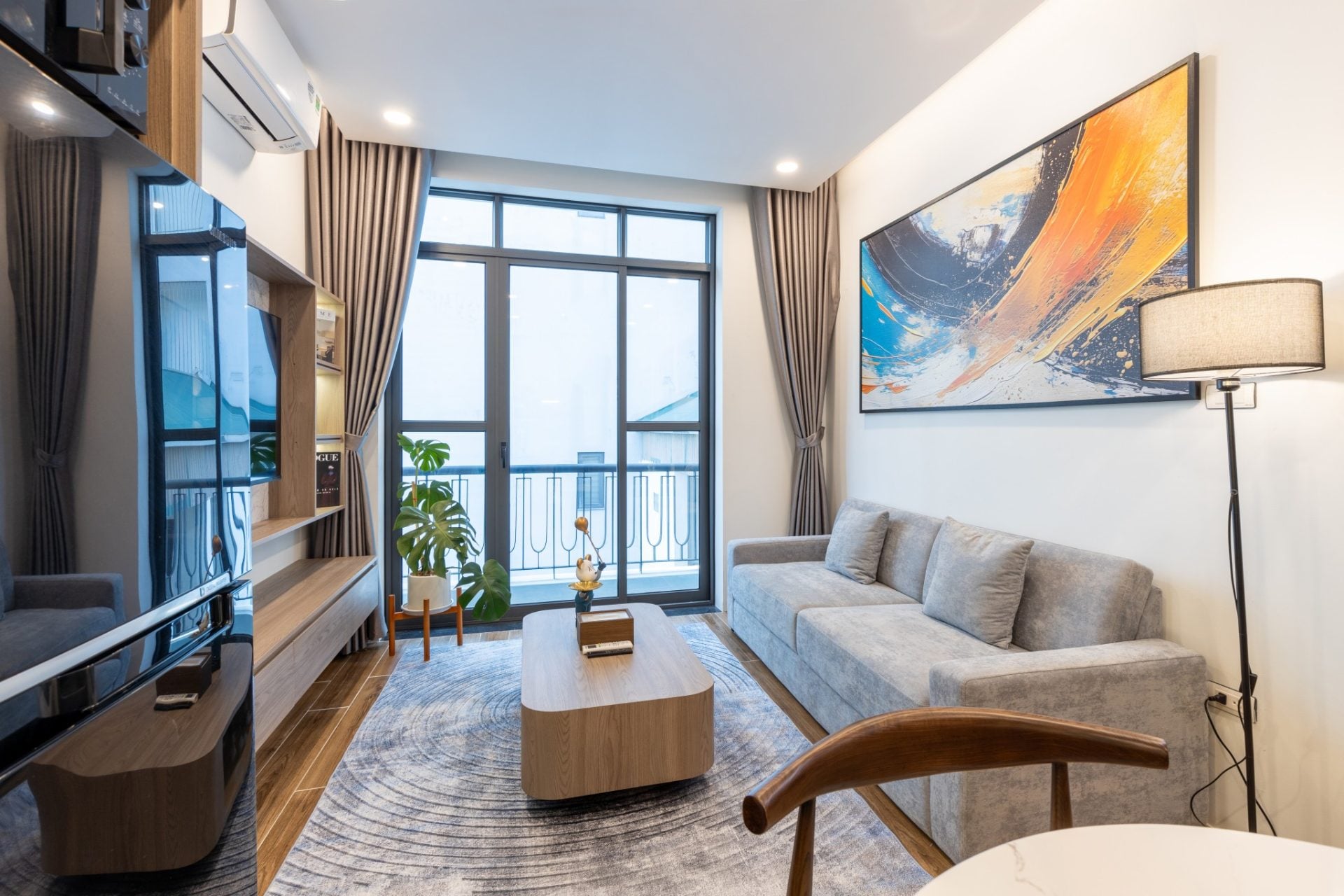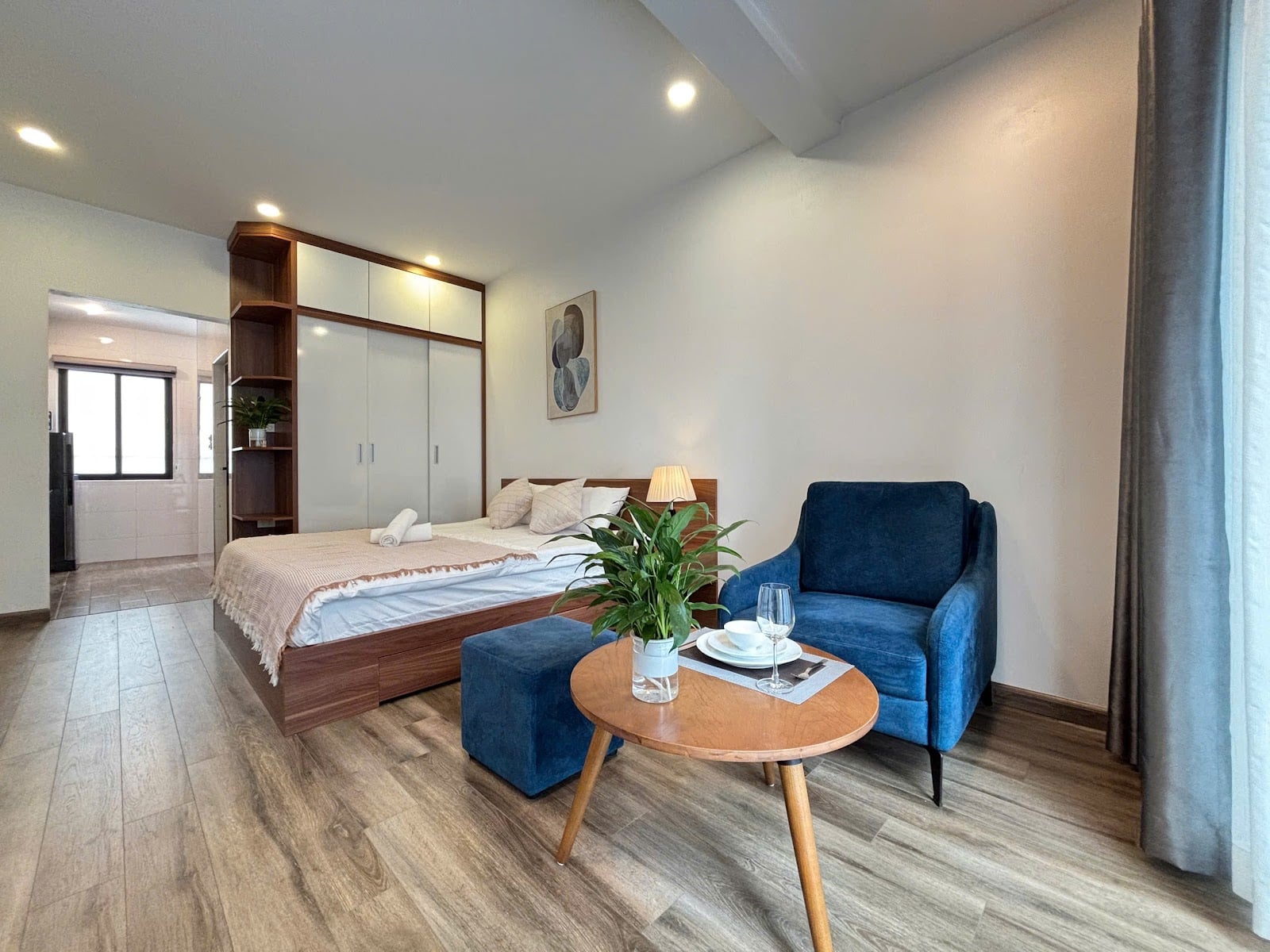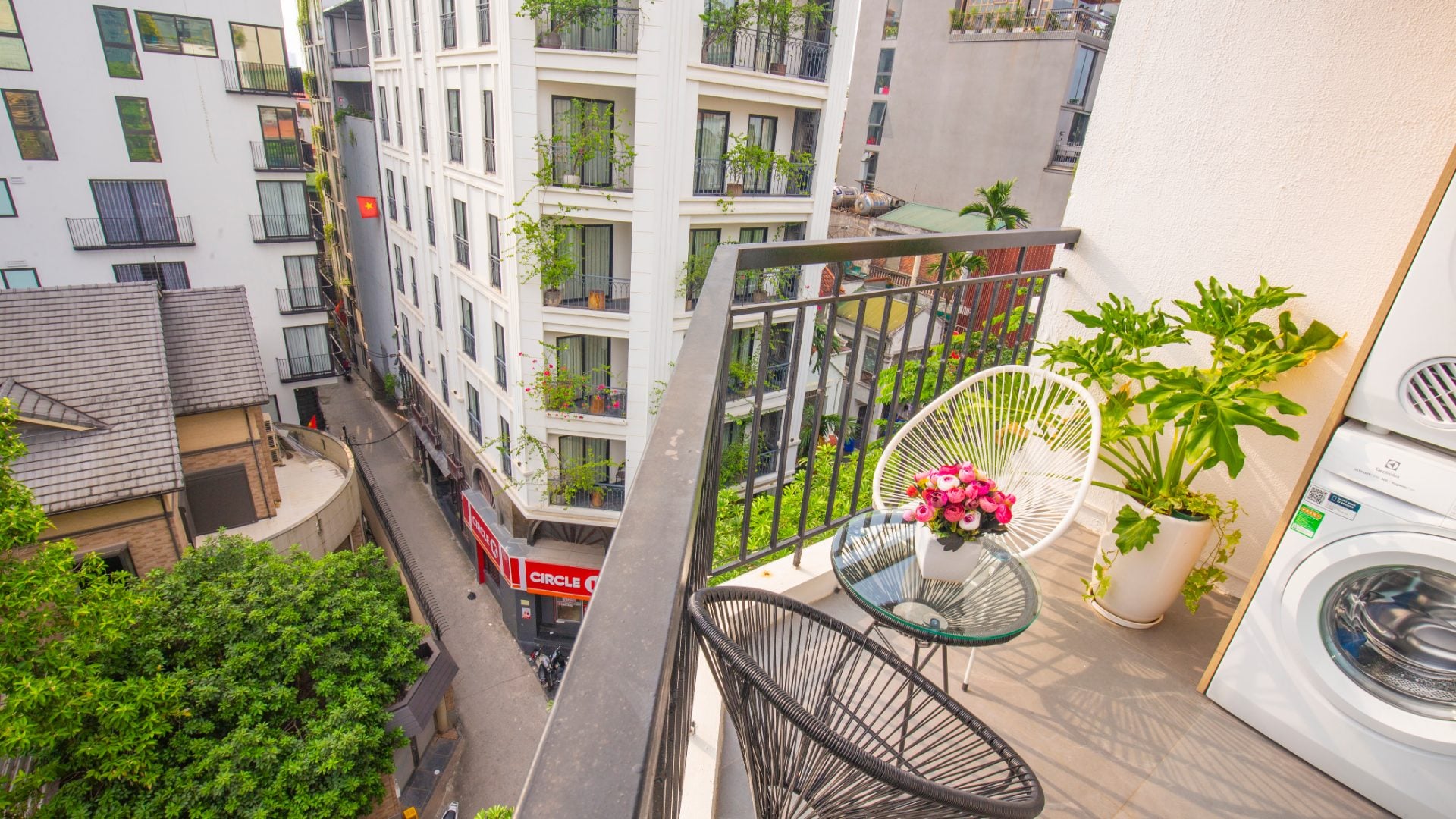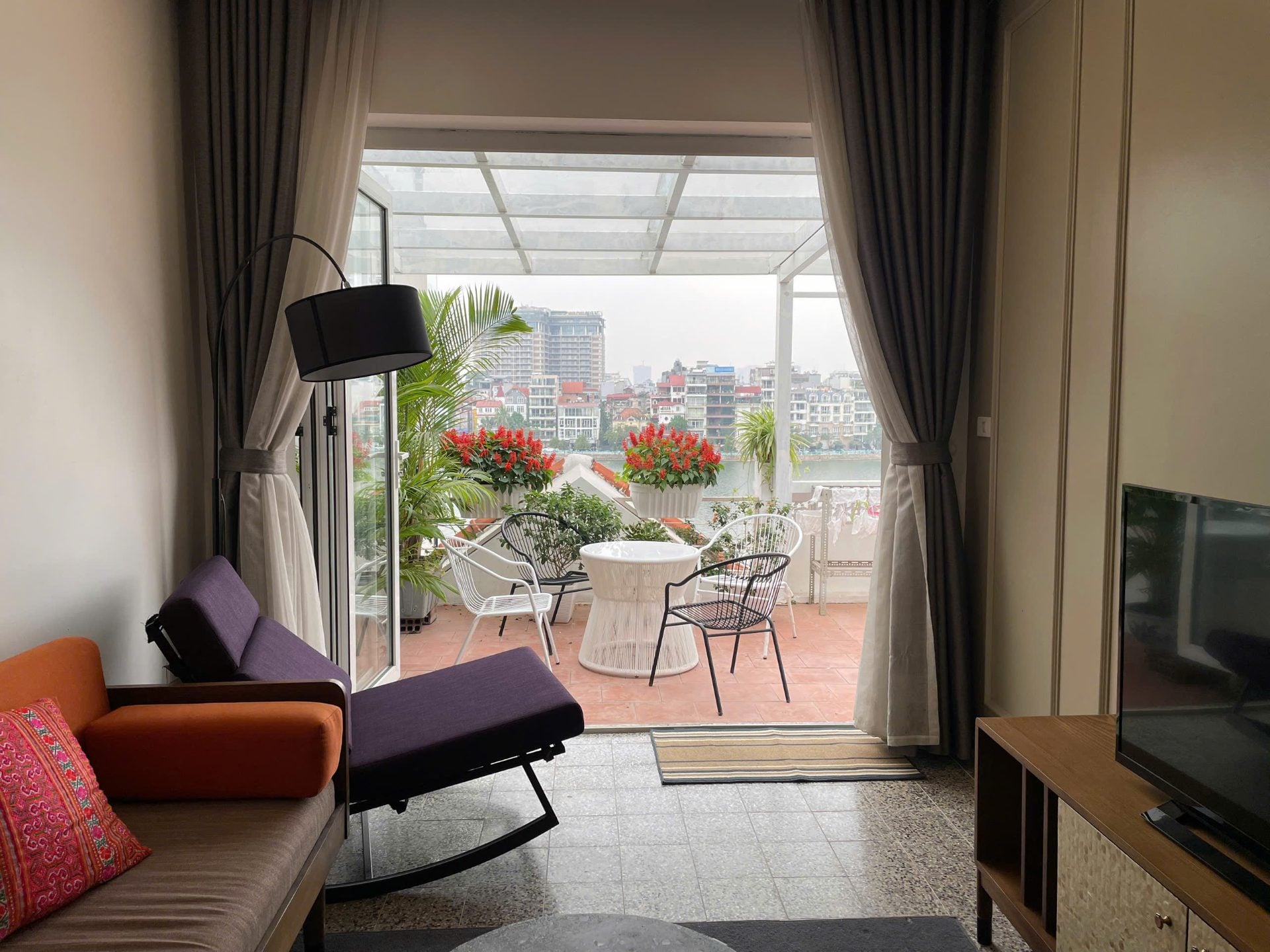
The newcomers who settle fastest do things in the right order. Here is the sequence we give every client moving to Hanoi.
Use it as a map, not a script. Some steps move around with your visa, your work and your family, and a few cannot start until others have finished: a bank will want an address, and an address needs a lease. Where we say ask or check, we mean it, because a lot of the trouble newcomers meet starts with a "yes, no problem" that nobody wrote down.

Your first month at a glance
- Before you flyPapers and coverVisa, insurance and copies of everything.
- Before you flyBook a short first stayNot a year-long lease unseen.Nest can help: short-term homes
- The first weekGet a local SIM and the appsRegistered in your own name.Nest can help: SIM card setup
- The first weekLearn your area on footWalk it at different times of day.
- The second weekView homes in personConfirm the full monthly cost, not only the rent.Nest can help: apartment rental
- The second weekRead the lease, then signIn your own language, with the deposit and notice terms clear.Nest can help: lease negotiation
- The third and fourth weeksRegister your addressAsk for the confirmation and keep a photograph.Nest can help: temporary residence card
- The third and fourth weeksBank, bills, transport, doctorSet up daily life once you have an address.Nest can help: bank account opening
The law: Article 33 of the Law on Entry, Exit, Transit and Residence of Foreigners in Vietnam (47/2014/QH13, in force 1 January 2015; Article 33 as amended by 23/2023/QH15, in force 15 August 2023, and by 118/2025/QH15, in force 1 July 2026).Read the official textChecked 6 October 2026.
Before you fly
A little preparation saves the first days, and a few things are quicker to arrange from home than from Hanoi.
- Check that your passport has enough validity left for the visa you are using, and that the visa covers your first weeks, and find out now how you will extend or change it once you are here
- Arrange travel and health insurance that covers you in Vietnam, and read what it does and does not cover before you rely on it
- Carry paper and digital copies of your passport, your visa, your insurance and any papers your employer or school has asked for
- Bring your medical records, and any regular medicines in their original packaging with the prescription, and ask your doctor what to carry for the first weeks
- If you are bringing a pet, start the paperwork before anything else, because it has steps that cannot be rushed: pet relocation is the place to begin
- Check that your phone is unlocked, so that a local SIM will work in it
- Tell your bank you are travelling, and carry a card and a little cash for the first days, with a second card packed somewhere else in case one is lost or blocked
- Book the first stretch of accommodation before you land: our guide to booking from abroad says why a short stay first is the safer choice
- Arrange your airport transfer before you fly, with the driver and the price agreed in advance: airport pickup
The first week: land softly
The aim of the first week is to be comfortable and connected, and not committed to anything. You are tired, the city is loud, and the decisions made in these days are the ones people most often regret.
- Get from the airport with a driver whose price you agreed before you flew, or an app ride where you can see the fare first, and avoid settling a price with a stranger at arrivals
- Stay in a serviced apartment or short-term home for the first month, and do not sign a year unseen
- Ask where you are staying to declare your stay to the local police: a hotel or serviced building usually does it at check-in, but ask, and ask what you will be given to show it was done
- Get a local SIM and data on day one, and take your passport to the shop because it will usually be asked for, then ask for the SIM to be registered in your own name: SIM card setup does this at the local price
- Open the maps, food and ride-hailing apps you will live in, and add a payment method to each while you have a quiet moment
- Practise crossing busy roads on a quiet street first: walk at a steady pace, do not stop or step back suddenly, and let the traffic move around you
- Ask your host whether the tap water is safe to drink, and find a pharmacy, a supermarket and a place that sells filtered water
- Walk the streets around where you are staying at different times of day, to learn how the city sounds and moves, and note which streets you would like to live on
Do not buy a motorbike, pay a deposit or sign anything this week. If someone pushes you to, treat the push as information about them.
The second week: find your home
Now you can look at homes with a feel for the city. Choose the area first and the home second, because the area shapes your daily life more than the flat does.
- Shortlist areas using Neighbourhoods and the district pages, then view homes in person, or on a live video call if you cannot
- Confirm the full monthly cost, not just the rent: ask what the building charges, how electricity, water and internet are billed, and who pays for each
- Test the home while you are in it: run the hot water, the air conditioning and every tap, open the windows, check the phone signal and the internet, and look for damp on the ceilings and walls
- Visit at the time of day you will be home, and listen for noise from the street, the neighbours and the building
- Ask who owns the home and how you can check it before you pay anything, and ask to see the papers that show the person you are dealing with can let it
- Ask what is included, in writing: furniture, appliances, parking, cleaning and any building services
- Ask how much notice either side must give, how the deposit is returned and how the rent can change
- Compare homes the same evening, with your photographs and notes, while you still remember which was which
- Sign a lease you have read in your language
These guides do the detail for this week: Tây Hồ vs Ba Đình vs Old Quarter for choosing an area, the true cost of renting in Hanoi for the bills on top of the rent, apartment scams for the checks before you pay, and checking a lease written in Vietnamese for the lease itself.
Signing and moving in
The days around the key matter more than they look, because this is when you still have leverage.
- Pay only against a lease and a receipt, to the person or company the lease names, and by bank transfer rather than cash to a go-between
- Keep the lease, the receipts and every message about money in one folder, with a copy that is not on your phone
- Walk through the home with the landlord or agent, and photograph every mark, fault and meter reading with the date showing
- Write down the electricity and water meter readings on the day you get the keys, and ask for any bills from before that day to be settled by the landlord or the old tenant
- Sign an inventory of the furniture and appliances, and note anything broken or missing before you move your things in
- Ask how repairs are reported and who pays for what, and keep that answer in writing
- Put in writing who will declare you to the ward police, and when, so that registration is not left to chance
The third and fourth weeks: set up life
With a home and a lease, the rest of daily life can be set up. Take these in order, because each makes the next easier. The list is the tick-sheet, and the sections after it say how to do each one.
- Register where you live (tạm trú), and ask for the confirmation
- Open a bank account once you have an address
- Put the electricity and the internet in the right name, and ask to see a recent bill
- Sort transport: check what licence you need before you buy or rent a motorbike
- Find a clinic or a GP near home, and ask how your insurance pays
- Find a vet if you have pets
Register where you live
Tạm trú is the registration of where you live with the local police. The person who manages the home declares your stay to the ward police, online or on a paper form, and a hotel or serviced building usually does it at check-in. In a rented home that person is your landlord or their agent, and many do not do it unless asked.
So ask for it before you sign, put it in the lease, and then check after you move in. Ask for whatever the police office gave back, whether a paper slip or an electronic confirmation, and keep a photograph of it with your lease. Visa and residence card paperwork can ask for proof of where you live, which is why this step comes before the bank and the rest, and each new home needs a new declaration. Our tạm trú guide has the detail. Nest makes registration part of the deal, completes it after you move in and checks that it was filed.
Open a bank account
An account is the hinge the rest swings on: your landlord wants rent paid locally, your employer wants somewhere to pay your salary, and cards and transfers depend on it. The catch is that each bank sets its own policy on who it will take, and your visa or residence status is usually the first thing the teller checks.
So ask before you go: which banks open accounts for your kind of visa, which papers to bring, and whether it can be done in one visit. The papers usually include your passport and your visa, and often proof of where you live, but ask each bank, and take copies of everything. Bank account opening tells you which bank is realistic for your situation and what to bring.
Electricity, water and internet
These are the bills that surprise people. Ask to see a recent electricity bill for the home, and ask whether it is billed at the state rate or resold by the landlord, because a markup shows up in your first hot summer. Our guide to electricity rates and landlord markups explains how to check.
Ask who holds the water and internet contracts and in whose name, how each is paid and when, and which internet provider the building uses and whether you can choose another. Put a contract in your own name when you can, so that you can end it when you leave.
Getting around
For most newcomers the question is the motorbike. Before you buy or rent one, check what licence you need for the size of bike, because a licence from home does not automatically cover you, and ask your insurer whether your cover applies when you ride. Rental shops have little reason to raise either point, so raise them yourself.
Until that is settled, ride-hailing and taxis get you most places, and a vetted driver by the day or month is another way to start. Motorbike and car rental explains the licence question and the choices for a long stay. Wear a proper helmet on every ride, and check that the one that comes with a rental is one you would trust.
Health and insurance
Find a clinic before you need one. Ask your landlord, your employer or the people in your building which clinic they use, visit it once so you know where it is, and save its address and the emergency numbers in your phone. Ask whether the clinic treats patients in English, and what it asks to see when you arrive.
Then check how your insurance pays: some policies pay the clinic direct, others make you pay up front and claim back, and that decides how much cash and credit you need on you. Keep your policy number and the insurer’s contact details where you can reach them from your phone, and keep every receipt you may need to claim.
If you have pets
Find a vet near home in your first weeks, not on the day something goes wrong. Ask the vet about vaccinations and what records they keep, and ask how emergencies out of hours are handled.
Check your lease too: a landlord’s yes to a pet should be in writing, and so should anything about a pet deposit or damage. Our guide to finding a pet-friendly apartment covers the two permissions you need, the landlord’s and the building’s.
If you are moving with children, or for work
School places and work permits both have lead times that do not bend to your arrival date, so start them before the rest of this list and not after it. Ask each school what it needs to see and when it takes new students, and ask your employer who is handling your work permit and what they need from you.
Do not assume the visa you land on can simply be turned into the one you need later. Ask early how the chain runs from visa to work permit to temporary residence card, because a gap in it can cost you time. Nest can help with international school placement, the work permit chain and the temporary residence card.
What the first month costs
The first month costs more than a typical month after it, because several one-off payments land together. Expect the deposit, rent paid in advance, any agent or service fee you have agreed to, the first bills, and the cost of setting up: a SIM, transport and a few things for the home.
We do not print figures here, because a figure typed into a guide is wrong the day after it is written. For what homes cost right now, the Hanoi Rent Index is worked out from the homes Nest has listed, and the true cost of renting in Hanoi shows what sits on top of the rent. Set your budget from your first real bills, not from anyone’s estimate, including ours.
Common mistakes
Each of these has a check earlier on this page that prevents it.
- Signing a long lease before you have lived in the city for a few weeks
- Paying a deposit to a personal account before you have seen the home, the owner’s papers and a written lease
- Trusting a spoken promise about registration, repairs or the deposit that nobody wrote down
- Buying a motorbike before you know your licence and insurance position
- Putting a SIM, a bank account or a bill in someone else’s name because it was quicker that day
- Assuming the landlord has registered you, instead of asking for the confirmation
- Waiting for the first large bill before reading any of them
- Leaving the visa end date until the last few weeks
- Waiting until you are unwell to find a clinic
After the first month
The first month ends, and some dates keep running.
- Put your visa end date and your lease notice date in your calendar, with a reminder well before each
- Walk through the home with a list and report any fault you have not yet told the landlord about, in writing
- Look at your first real bills and set your monthly budget from them
- Decide whether the area suits you: if it does, you already have the lease, and if not, a short stay is easy to leave, which is what it is for. Short-term rentals in Hanoi says how that works
- Learn some Vietnamese: a few phrases can change how landlords, drivers and neighbours deal with you, and learn Vietnamese can start you off
- Redo your registration whenever you move home, and ask for the confirmation each time
What Nest can do for you
Nest’s concierge runs this whole sequence with you, from the short-stay-first landing to registration and setup, so you are not working through it alone. Tell us where you are in the sequence and we start there: see every service.
Each service has its own page, and you can use one or all of them.
- Airport pickup: a named driver and a price agreed before you land
- SIM card setup: registered in your name at the local price
- Apartment rental: verified listings and contracts in your language
- Lease negotiation, in the home search section: we read the contract and negotiate the terms with you
- Bank account opening: which bank takes you, on what visa, with which documents
- Temporary residence card and visa extension: multi-year residence instead of constant visa runs
- Motorbike and car rental: long-term rental with the licence question explained
- Pet relocation: the import permit, the health certificate and the timeline
- International school placement: a shortlist, introductions and applications
- Learn Vietnamese: local classes without the tone-anxiety
Find your apartment the safe way
Verified listings, transparent all-in pricing, contracts in your language, and no tenant agency fees. Browse homes or talk to a Nest advisor.