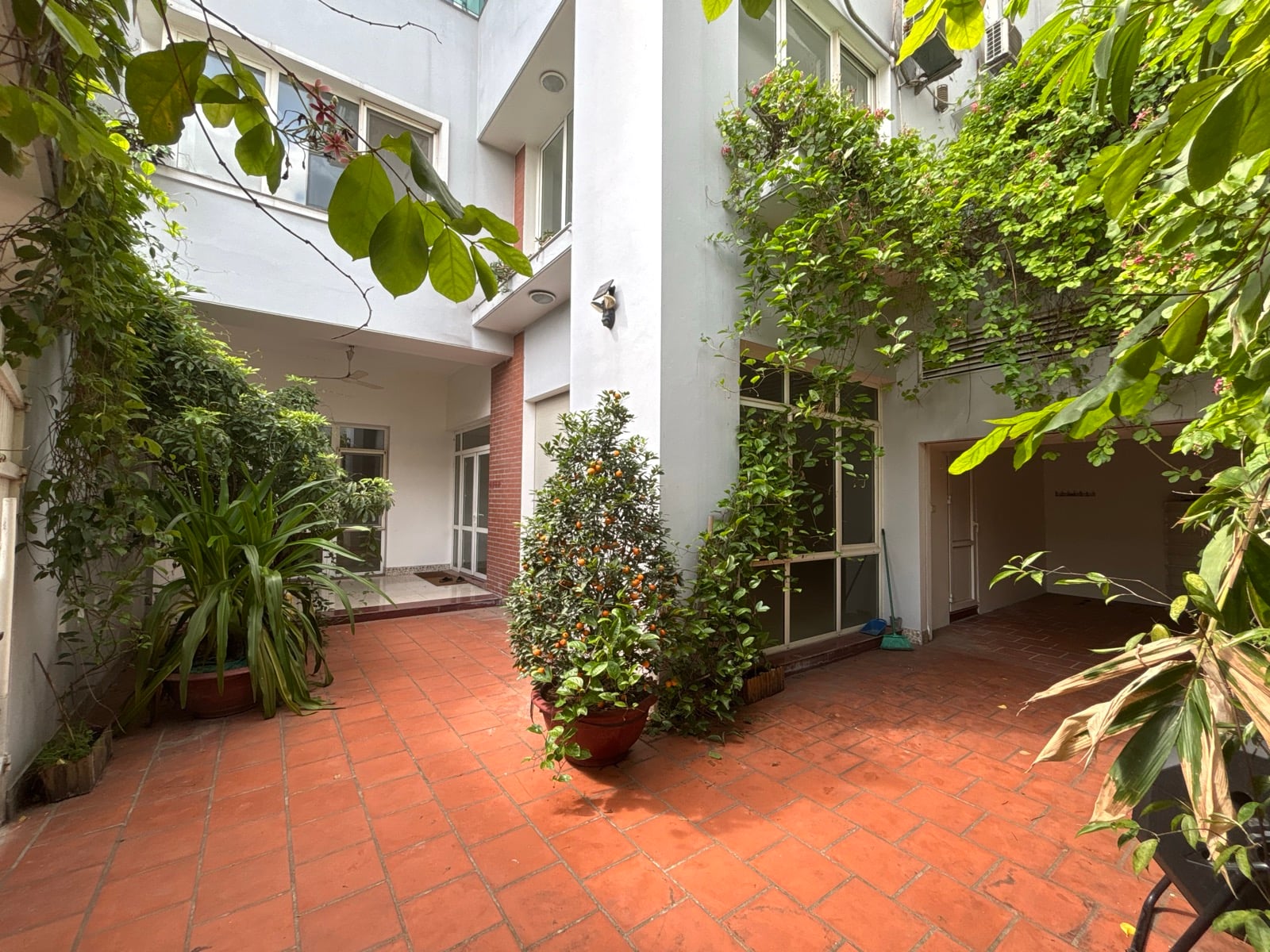
Plenty of expats move to Hanoi with a dog or cat and do just fine, but pet policies vary wildly building to building, and starting an honest conversation early saves heartache.
Be upfront, in writing
Always disclose your pet before signing and get the permission written into the contract. A verbal "it should be fine" can become an eviction risk later. Landlords of standalone houses and low-rise buildings tend to be the most flexible.
Tell the landlord exactly what you have: the kind of animal, how many, and roughly how big a dog will be when it is grown. A landlord who has agreed to one small cat has not agreed to two large dogs, and the lease should say which.
Two permissions, not one
In an apartment block the landlord is not the only one who decides. The building’s management sets house rules of its own for the lifts, the corridors, the courtyard and any garden, and some buildings limit the number or size of pets or do not allow dogs at all. Ask the landlord and the building management separately, and ask to see the building’s rules on paper.
What to get written down
A friendly yes in a message is not enough. The lease, or a signed note beside it, should say:
- Which pet or pets you may keep, by kind and by number
- Whether there is any extra deposit or monthly fee for the pet, and what it is for
- Who pays for damage a pet causes, and how it will be judged at checkout
- Where the pet may go: the balcony, the garden, the lifts and the shared areas
- What happens if a neighbour or the building complains
Photograph the home on move-in day too, so that every scratch and mark is on record before your pet arrives. Our guide to getting your deposit back explains how that record protects you at checkout, and our guide to checking a lease written in Vietnamese covers the clauses to read before you sign.
Where pets thrive
Tây Hồ has the best pet infrastructure in the city: green space around the lake, expat-friendly landlords, vets, groomers and walkers. Villa and townhouse compounds in Long Biên are also strong for bigger dogs.
Apartments for rent in Tây Hồ shows every home Nest has in the district today, and our guide to living in Tây Hồ covers the area.
Day to day with a pet in Hanoi
Think through an ordinary day before you choose a home.
- Heat and humidity: summers are hot and humid, so ask which rooms have air-conditioning and whether it can run while you are out, and plan a dog’s walks for the cooler ends of the day
- Walks: find the nearest park, lakeside path or quiet lane before you sign, because many Hanoi streets are busy with motorbikes
- Balconies and windows: in a tall building, check that balcony rails and windows are secure, and ask whether you may fit safety netting, especially for a cat
- Noise and neighbours: shared walls and corridors carry a barking dog a long way, so ask how the building handles complaints
- Waste and cleaning: ask where pet waste goes and whether the building has rules for it
If your pet is coming from overseas, bringing an animal into Vietnam has its own import paperwork, set by the Vietnamese authorities and your airline. Check it well before you fly, and ask a vet who has done it before.
Filter for it
Use the Pet friendly filter in Nest search to see only homes where pets are genuinely welcome, then let your advisor confirm the specifics with the landlord before you view. The tick can mean small pets only, so ask which pets, and get the answer in writing.
Search Hanoi homes on Nest and tick Pet friendly to start.
If the answer is no
A landlord who says no usually has a reason, such as a bad experience or the building’s rules, so ask what the worry is. Then answer it: offer vaccination records, a reference from a vet or a previous landlord, and a written agreement about damage and cleaning at the end of the stay.
If the answer is still no, do not hide the pet and hope. A pet kept in secret is a breach of the lease, and the lease is what protects your deposit. Move on to another home. If you are only here for a short while, ask before you book whether pets are allowed at all; our guide to short-term rentals in Hanoi covers what else to ask.
Find your apartment the safe way
Verified listings, transparent all-in pricing, contracts in your language, and no tenant agency fees. Browse homes or talk to a Nest advisor.