An Thượng is the small grid of streets a short walk from the beach at the northern edge of Ngũ Hành Sơn, and it is the nearest thing Da Nang has to an expat quarter. This is our guide to living there: what a normal day is like, what the area trades away, the homes you will find, and what to check before you rent one.
What a day looks like
The streets are lined with cafés, gyms, coworking spaces, restaurants and small shops, so a lot of daily life can be done on foot. The beach is a short walk away, and early mornings and evenings are when much of the neighbourhood is out on it. The city centre is a ride away, across the Hàn River. For anything further, most people use a motorbike or a ride-hailing app.
What it trades away
An Thượng is compact and busy, and much of it is built for visitors. Many buildings let their homes by the night, so a quiet-looking street can be noisy at odd hours, with guests arriving and leaving. Lanes are narrow, parking is tight, and you give up the space you would get further south. In the wet months some low streets collect water in heavy rain.
The homes you will find
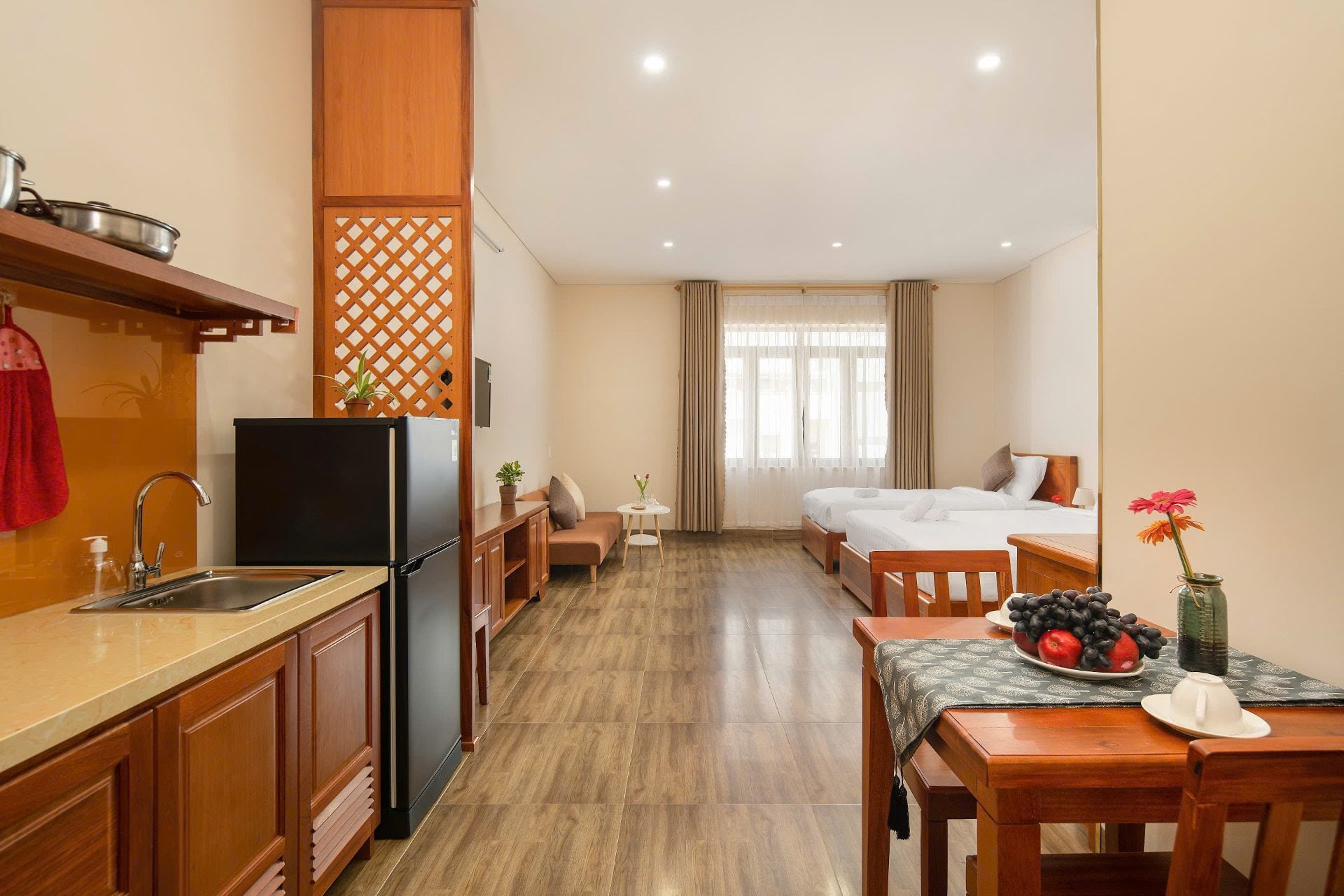
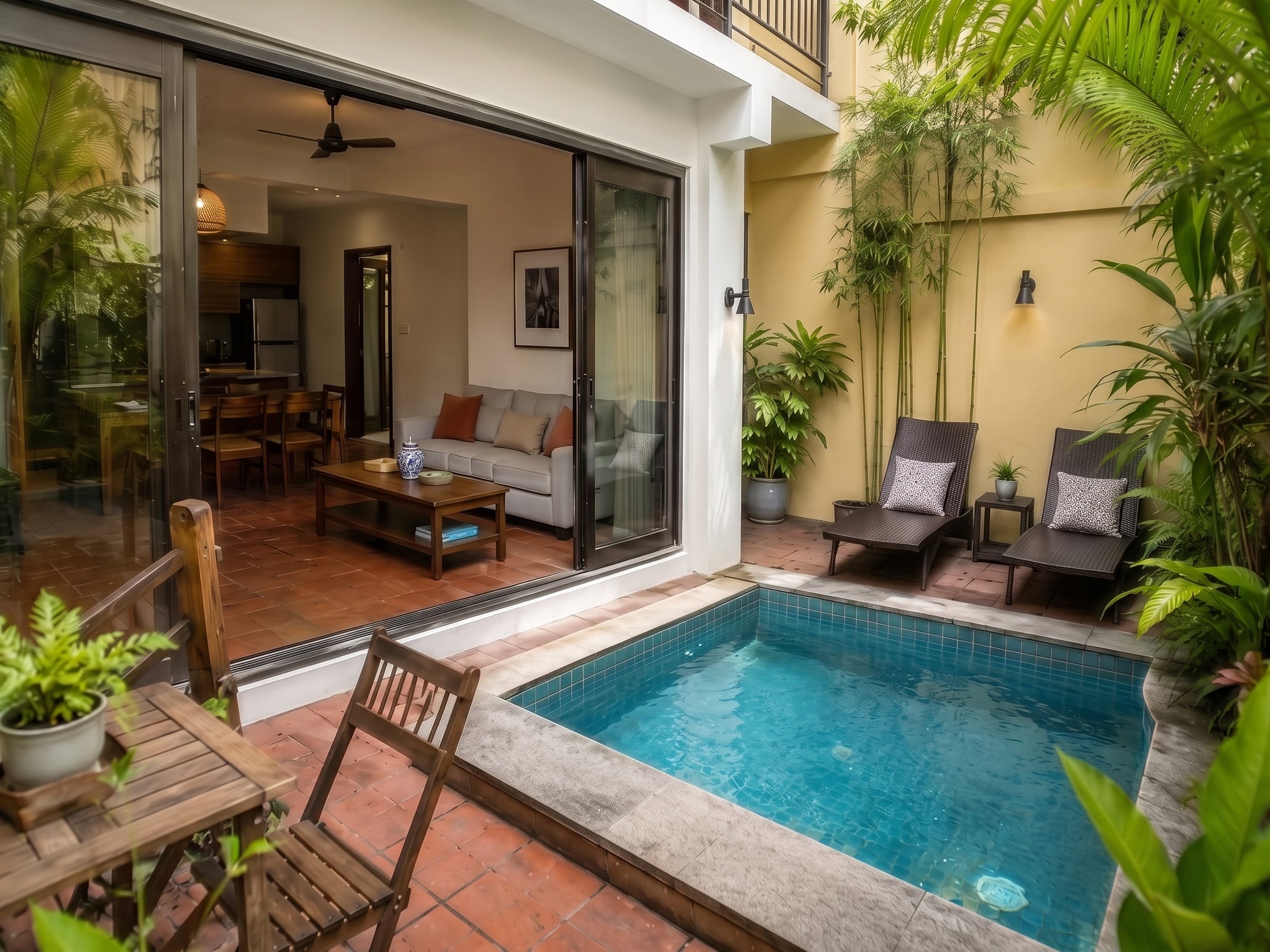
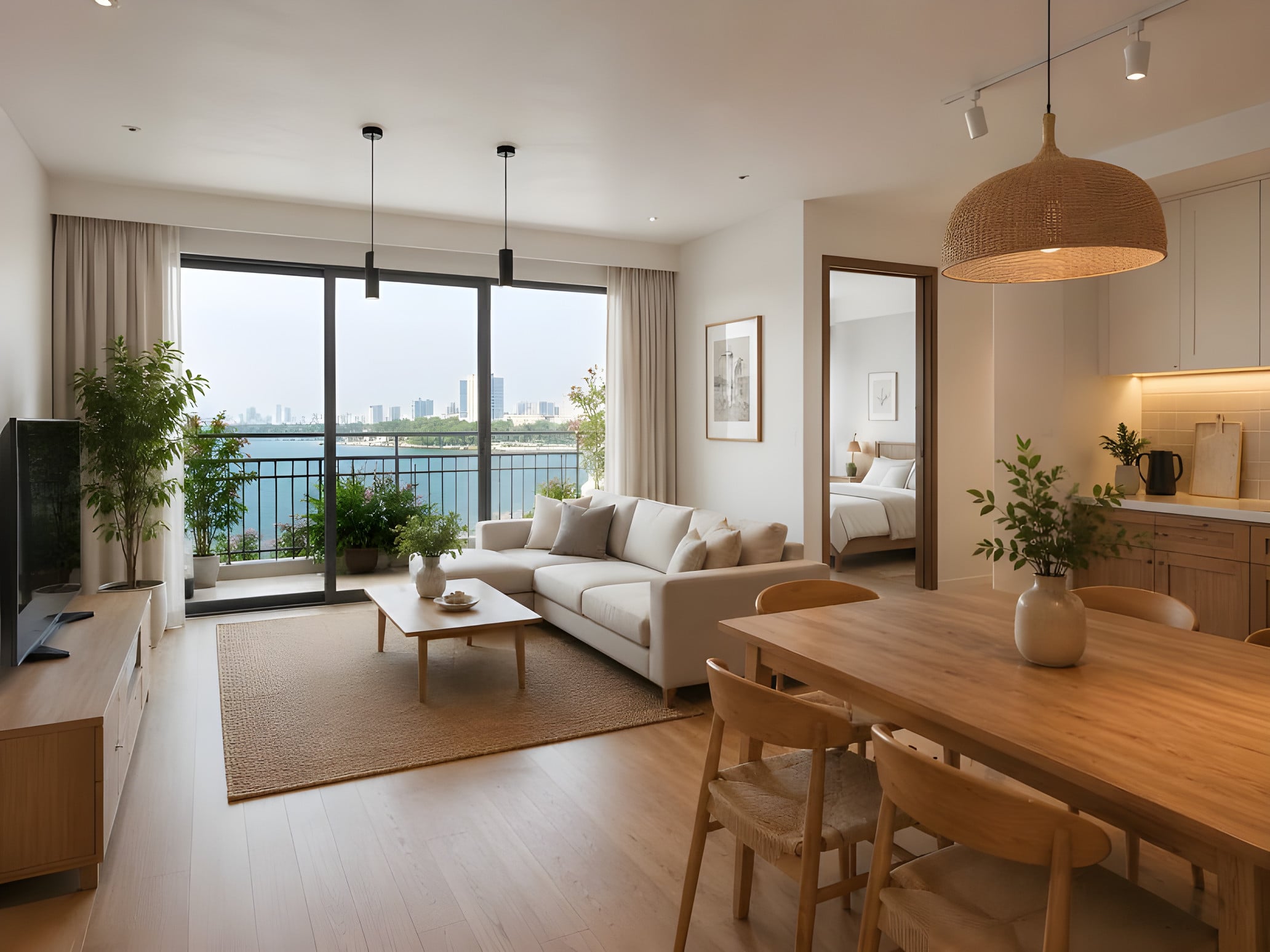
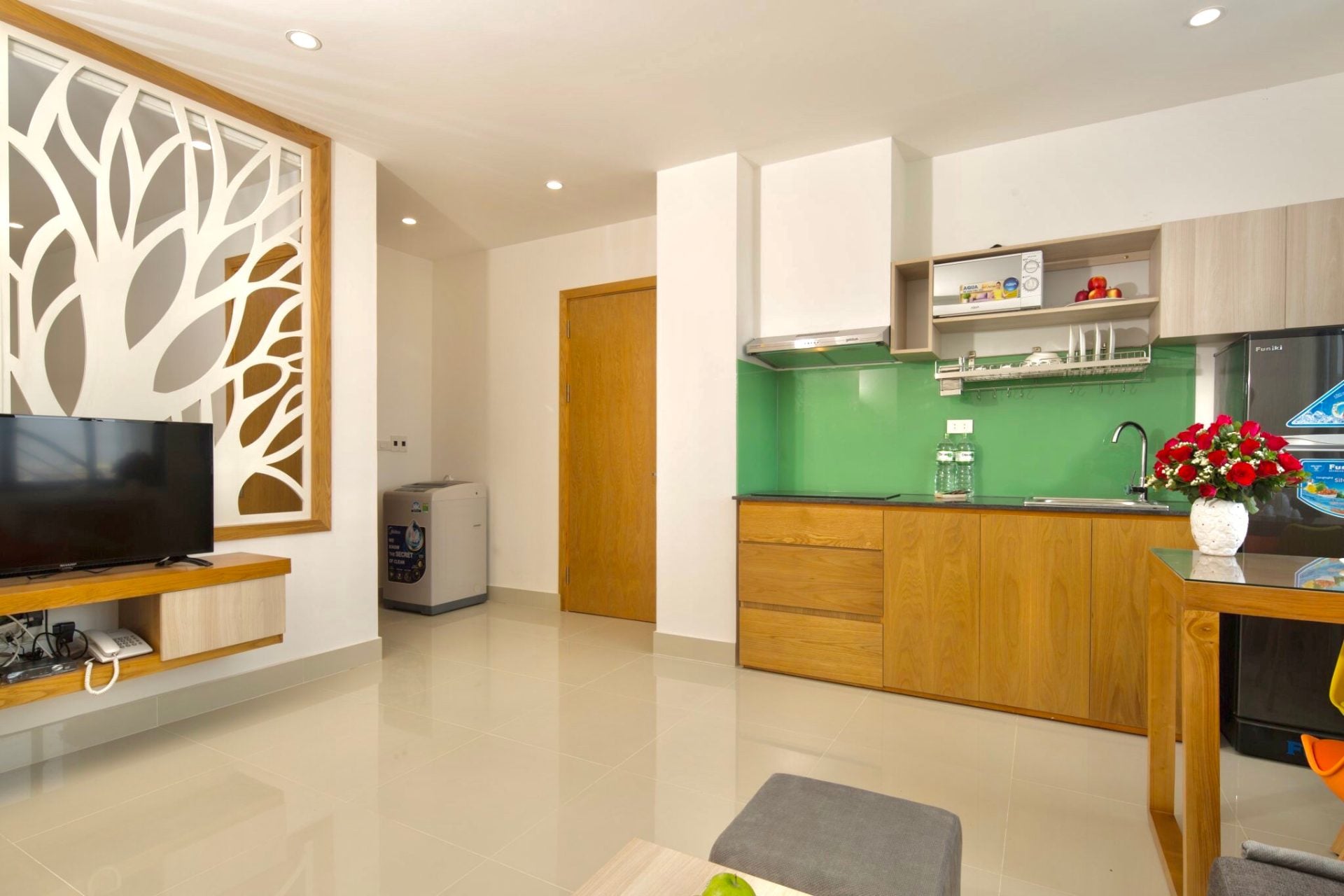
Mostly small, furnished apartments in low-rise buildings: studios and one-bedroom apartments, with some larger apartments and townhouses. Many are fitted out for short stays, so look at whether a home is set up for living and not only for visiting: a proper kitchen, a place to work, a washing machine and enough storage.
Living by the sea: what to check
The checks are the same as anywhere in Vietnam, plus the ones that come with living near the sea.
- See the ownership document, the pink book, or a written authorisation from the owner
- Read the lease in a language you understand: the deposit, the notice period, repairs, the electricity rate and rent rises
- Salt air is hard on air conditioners and metal fittings, so turn every air conditioner on, and ask who services them and how often
- Look for damp: marks on walls and ceilings, a musty smell in wardrobes, and mould around windows and in the bathroom
- Ask the neighbours whether the street floods in heavy rain, and what the landlord does when a storm is forecast
- Check that windows, doors and shutters close properly, and that nothing on the balcony can blow away
- Ask whether the home is let to visitors by the night, and whether the others in the building are
- Ask where a motorbike parks, and whether the space is under cover
- Ask whether the landlord will register your residence with the police
- Photograph the home on move-in day, with the landlord there
Our guides to a lease written in Vietnamese and tạm trú, registering your address, were written for Hanoi, and apply in Da Nang too: the rules are national.
Short stay or lease
Many homes here are let to holiday visitors, and the same home can be offered by the night or on a long lease, on very different terms. Be clear which you are signing, and read the lease for the deposit, the notice period and who pays the bills. A short stay first is a good way to find out whether the streets suit you. Our guide to living in Da Nang compares An Thượng with Sơn Trà, the other beach-side area most expats choose between.
What Nest has to rent here
Nest has only recently started letting homes in Da Nang, so the choice is small. In October, when this guide was written, a few of our homes were in An Thượng, all of them furnished apartments, from a studio to a two-bedroom. Ngũ Hành Sơn shows every home we have in the area today, with its rent.
Where to start
See every Nest home in Da Nang, or start with Ngũ Hành Sơn, the area An Thượng sits in. The Da Nang page lists the areas we cover. Every Nest home is inspected in person, the owner is verified, and you never pay a tenant agency fee.
Find your apartment the safe way
Verified listings, transparent all-in pricing, contracts in your language, and no tenant agency fees. Browse homes or talk to a Nest advisor.