Hanoi 2045: What the City’s Master Plan Means for Expats & Locals

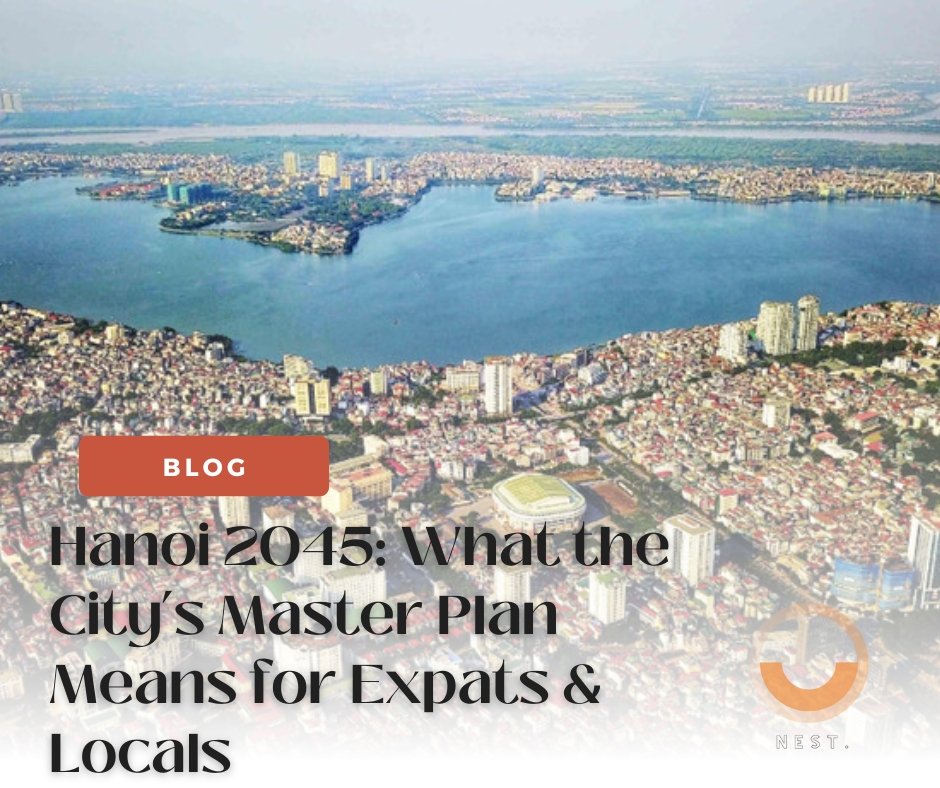
Hanoi is changing – in a big way.
Under a new proposal, the city’s master plan is to to relocate over 860,000 residents living inside Ring Road 3 between now and 2045. It’s part of an ambitious urban restructuring plan designed to ease congestion, protect heritage areas, and make Hanoi more livable and sustainable for the future.
That sounds like a lot of people – and it is. So what does it mean for both the locals who call these neighborhoods home and the expat community who’ve made Hanoi their base?
Let’s break it down.
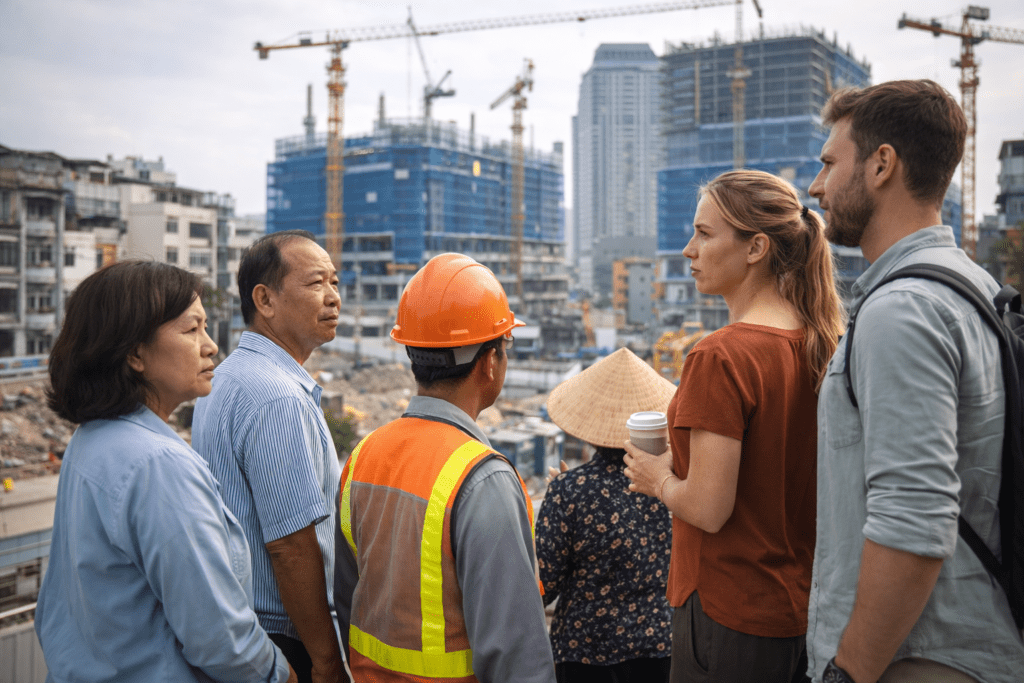
What’s Actually Happening
Over the next two decades, Hanoi will gradually move hundreds of thousands of people from older, crowded districts like Hoan Kiem, Ba Dinh, Dong Da, and parts of Tay Ho to newly developed areas outside Ring Road 3.
Some of these new urban zones – places like Dong Anh, Gia Lam, and Hoa Lac – are already in the works, with plans for modern housing, schools, hospitals, and green public spaces.
This isn’t just about shifting people around. It’s part of a bigger vision to rebalance the city, spreading out growth instead of packing everything into the historical core.
Why Hanoi Is Doing This
Hanoi’s population has grown rapidly in the past 20 years, but much of the infrastructure inside the city hasn’t kept up. Roads are narrow, parking is scarce, floods are inevitable and many older buildings weren’t designed for modern living.
By moving people outward, the city hopes to:
🌸 reduce traffic and overcrowding
🌸 preserve historic areas like the Old Quarter
🌸 make room for parks and green zones
🌸 expand infrastructure and public transport
It’s ambitious – and it’s going to reshape the city we know today.
The Đặng Thai Mai Upgrade – A Glimpse of What’s Coming
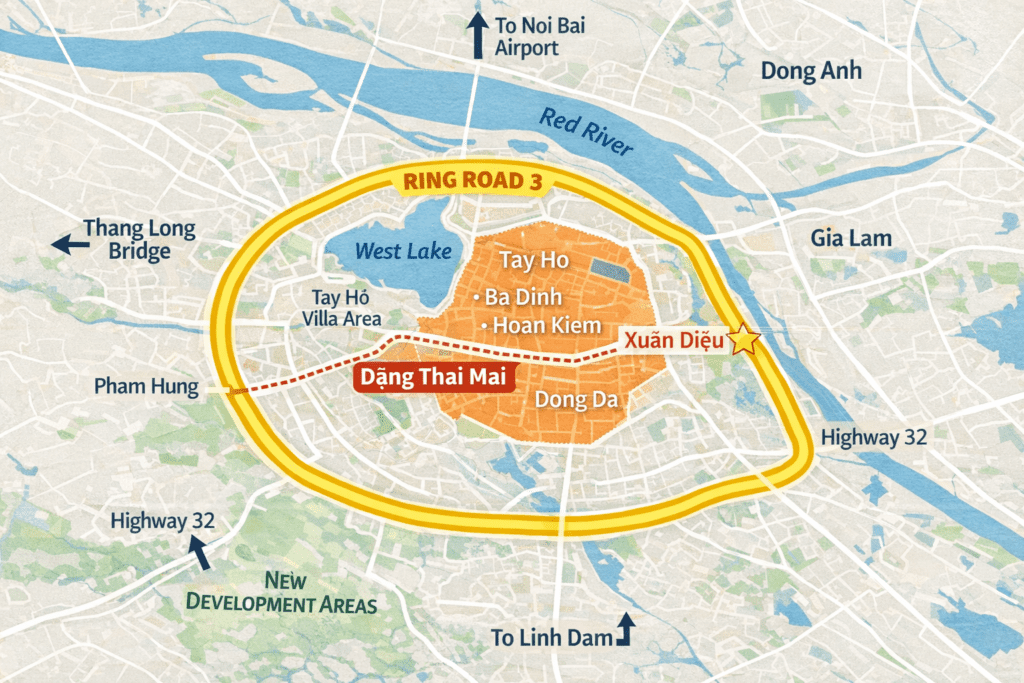
A good example of this evolution is already visible in Tay Ho. The city has begun major work on Đặng Thai Mai Street (one of West Lake’s key roads) to improve traffic and modernize the area.
Phase I of the project spans 1.26 km through Quảng An Ward, linking the West Lake villa area with Xuân Diệu Street. With a ₫552 billion investment (around USD 22 million), the project includes new drainage, lighting, and landscaped medians to make the area more connected and pedestrian-friendly. (Vietnam.vn report)
While this specific project isn’t part of the Ring Road 3 relocation plan, it aligns perfectly with Hanoi’s 2045 vision – upgrading core infrastructure and public spaces in high-value, high-traffic areas.
For expats in Tay Ho, this means better mobility and rising property values. For locals, it means more convenience but also – inevitably – some disruption as roads are dug up and traffic rerouted during construction.
(see map below)
How It Affects Expats
Central Hanoi will keep evolving
If you live around West Lake or Ba Dinh, expect gradual change. Older apartments may be renovated or replaced, and zoning may evolve to make space for green areas and better infrastructure.
For renters, this means more modern options – and for owners, possibly higher property values as new amenities arrive.
New areas will open up
Districts like Dong Anh and Gia Lam, once considered too far, are quickly becoming more accessible thanks to new bridges, metro lines, and ring road extensions.
Projects like Hanoi’s five mega urban zones – worth over USD 160 billion – show just how much growth is shifting outward.
Think of these districts as the next Tay Ho – more space, newer housing, and a growing community of locals and expats alike.
Lifestyle upgrades are on the way
Hanoi’s goal is to become a cleaner, greener, and better-connected city. Expect more parks, walkable streets, and public transport options. Families can look forward to improved schools and hospitals; professionals to shorter commutes and new business hubs.
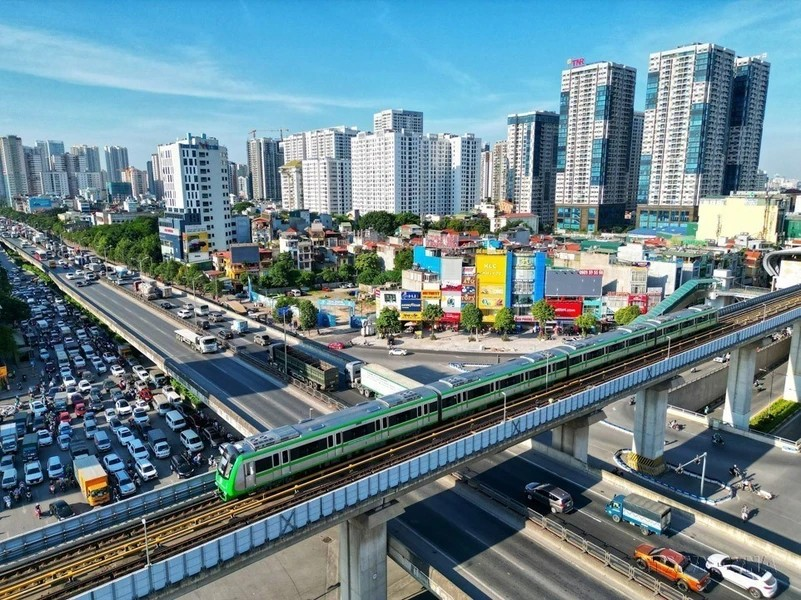
The city is also investing heavily in transport connectivity – metro lines, expanded bridges, and Ring Road 4 – to link the capital with neighboring provinces.
Real estate patterns will shift
Relocation and new infrastructure will naturally affect rental prices and demand.
Inner districts may stabilize as outer areas attract new development. For those watching the market, this could be a great time to keep an eye on emerging neighborhoods before they boom.
What It Means for Locals
For many Hanoians, this plan is deeply personal. The idea of relocation touches on identity, family roots, and community – especially in older neighborhoods where homes have been passed down for generations.
Local reactions are mixed:
- Some see it as a necessary step toward modernization – a chance for cleaner streets, safer housing, and better living standards.
- Others worry about losing their sense of place, facing long commutes, or being priced out of upgraded areas once redevelopment begins.
Public discussions often focus on how compensation will work, where new housing will be built, and whether relocated families will truly benefit from the move. (Hanoi Times)
At the same time, many younger residents – especially professionals – welcome the changes. They view improved infrastructure, public transport, and green space as essential to making Hanoi more livable and internationally competitive.
In short: locals are cautiously optimistic, but there’s a strong desire for the city to balance progress with preservation – keeping the soul of Hanoi intact while it grows.
What It All Means
For most people – both locals and expats – these changes will unfold gradually. But together, they signal that Hanoi is becoming a more balanced, modern, and globally connected city.
Over time, we’ll see new communities rise, transport improve, and housing options expand in ways that make daily life easier.
If you love Tay Ho or Ba Dinh, and can withstand the dust, hold on tight and don’t worry – they’ll remain vibrant, central parts of Hanoi life. But the city’s center of gravity will slowly stretch outward, opening up new opportunities for living, investing, and exploring.
Final Thought
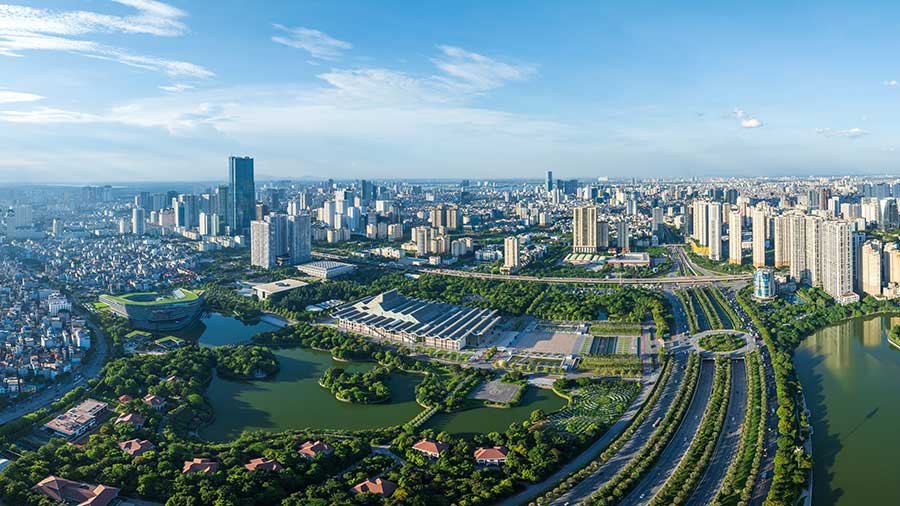
Hanoi’s 2045 plan isn’t just about moving people – it’s about reshaping how the city breathes and grows.
For locals, it’s a promise of modernization with a side of nostalgia.
For expats, it’s an invitation to be part of a transforming city – one that’s finding new balance between the old charm and the future ahead.